Why interpretation matters in CEA
There's a recurring debate in finance circles about EBITDA. Critics call it misleading; some call it almost worthless. But the problem is not the definition — the definition is in the name. Earnings Before Interest, Taxes, Depreciation, and Amortization. No ambiguity, no fine print.
The real issue is how EBITDA is used, interpreted, and sometimes overstated.
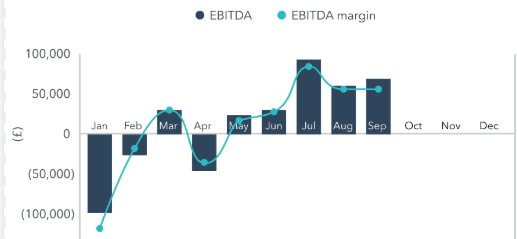
EBITDA isolates operating earnings before financing structure, taxes, and certain non-cash charges. That's genuinely useful — it lets you compare businesses with different capital structures. But EBITDA is not cash flow, and in Controlled Environment Agriculture, treating it as cash flow carries real operational consequences.
Limitation One: Interest Is Not an Abstraction
CEA businesses are capital intensive: greenhouses, climate systems, irrigation, automation, lighting, and packing lines are often financed with debt. EBITDA strips that financing out, which is analytically useful — but interest is a real cash payment that comes due regardless of what the growing environment is doing. During stable periods, EBITDA and operating cash flow track closely. The danger emerges when a disruption cuts saleable output and compresses margins: EBITDA falls while cash obligations hold firm.
Limitation Two: Depreciation Defers, It Doesn't Disappear
EBITDA adds depreciation back, but the assets still age. The greenhouse structure, lighting, pumps, sensors, and controls wear down and must be maintained and eventually replaced. Depreciation is not a cash expense today, but sustaining capital expenditure is cash tomorrow. An under-maintained asset base can show acceptable EBITDA while quietly accumulating latent risk.
The Paired-Failure Problem
The major financial danger in CEA is rarely a single bad event. It is two failures that overlap: a pathogen event cuts yield while a climate anomaly hits the same crop cycle. Revenue falls while costs climb. The tight coupling that drives efficiency in normal operations amplifies damage when two control points fail at once — and working capital, the buffer EBITDA is supposed to replenish, can erode faster than a monthly reporting cycle can detect.
The Right Questions
EBITDA matters. It should not, however, be worshipped. The better questions are not "What is EBITDA?" but: What does EBITDA look like after debt service? What does sustaining capex cost? How many operating cycles can working capital sustain if EBITDA compresses suddenly?
EBITDA is a starting point, not a destination. In a tightly coupled growing system, the distance between those two things is where the real risk lives.
#EBITDA #CEA #ControlledEnvironmentAgriculture #FinancialAnalysis #RiskAssessment